What is an Ecosystem?
Here is a quick video to introduce you to what an ecosystem is
Parts of an Ecosystem
Here is a quick video on the parts of an environment and how they are important to each other.
Species are considered either producers, herbivores, carnivores, omnivores, decomposers, and scavengers.
Producers: An organism that creates its own energy from another source. Ex. Cecropia Tree
Herbivore: An organism that eats mainly plants. Ex. Vicugna
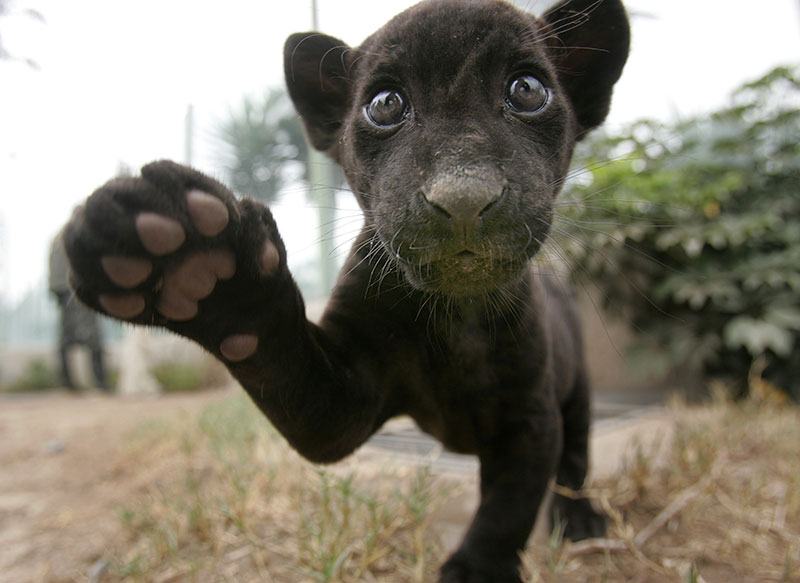
Carnivore: An organism that feeds on flesh. Ex. Jaguar
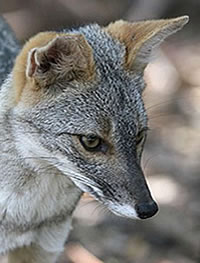
Omnivore: An organism that eats both meat and plants. Ex. Peruvian Fox
Decomoser: An organism that breaks down dead and decomposing matter. Ex. Bacteria
Scavenger: An organism that feeds on dead animals' flesh. Ex. Andean Condor
All these types of animals together make a great wealth of Biodiversity in Peru.
Here is a quick video displaying this amazing biodiversity.
Peru account for more than 15% of the world's biodiversity.
That's huge!
Check out a complete list of the animals included in that 15%.
Peruvian Mammals
| Mammal | Scientific Name | Description | IUCN Status: |
|---|---|---|---|
| Anderson's Mouse Opossum | Marmosa andersoni | Nocturnal and inhabits moist areas of forest in the eastern slopes of the Andes. | Critically Endangered |
| Bishop's Slender Mouse Opossum | Marmosa bishopi | Small, arboreal marsupial opossum native to Brazil, Peru, and Bolivia | |
| White-eared Opossum - | Didelphis albiventris | Terrestrial and arboreal animal. | |
| Emilia's Short-tailed Opossum | Monodelphis emiliae | Vulnerable | |
| Giant Armadillo | Priodones maximus | Largest living species of armadillo. | Endangered, vulnerable to extinction. |
| Nine-banded Armadillo - | Dasypus novemcinctus | It the most widespread of the armadillos | |
| Hairy Long-nosed Armadillo | Dasypus pilosus | Endemic to Peru. Its habitat are subtropical or tropical lowland forests and montanes. | Vulnerable |
| Giant Anteater | Myrmecophaga tridactyla | The largest species of anteater. | Vulnerable |
| Southern Tamandua or Lesser Anteater | Tamandua tetradactyla | It is a solitary animal found in grasslands, deciduous forests and rainforests. | |
| Silky Anteater | Cyclopes didactylus | It is the smallest member of the anteaters | |
| Southern or Linnaeus's two-toed sloth | Choloepus didactylus | It is a solitary, nocturnal and arboreal animal, found in rainforests. | |
| Pygmy Marmoset or Dwarf Monkey | Cebuella pygmaea | One of the world's smallest primates | |
| Goeldi's Marmoset or Goeldi's Monkey | Callimico goeldi | It lives in the upper Amazon Basin | Vulnerable |
| Mantled Howler Monkey | Alouatta palliata | One of the largest Amazonian new world monkeys | |
| Red Howler Monkey | Alouatta seniculus | These New world monkeys are native to South and Central | |
| Black-headed Night Monkey | Aotus nigriceps | New world monkey found in Bolivia, Brazil, Colombia and Peru. | |
| Spix's Night (Owl) Monkey | Aotus vociferans | They are the only truly nocturnal n ew world monkeys. | |
| Andean Night Monkey | Aotus miconax | Endemic to Peru | Vulnerable |
| Dusky Titi Monkey | Callicebus moloch | New world monkey that lives in monogamous pairs and babies are carried by the male. | |
| Yellow-handed Titi Monkey | Callicebus lucifer | New world monkey found in east of the Andes of western Amazon Basin | |
| Andean Titi Monkey | Callicebus oenanthe | This species of new world monkey is endemic of Peru and only found in the upper Rio Mayo valley in the department of San Martin. | Vulnerable |
| Common Squirrel Monkey | Samiri sciureus | It is found primarily in the Amazon Basin. All | |
| Black-capped Squirrel Monkey | Saimiri boliviensis | It is a South American squirrel monkey, found in Bolivia, Brazil and Peru. | |
| Brown Capuchin Monkey | Cebus apella | Their habitat includes Central America and South America as far south as northern Argentina. | Vulnerable |
| White-Fronted Capuchin Monkey- | Cebus albifrons | This primate is a medium-sized monkey with a light brown back and a creamy white underside | Vulnerable |
| Common Woolly Monkey | Lagothrix lagotricha | It lives in groups of 2 to 70 individuals | |
| Gray Woolly Monkey | Lagothrix cana | They are frugivorous, feeding mainly on fruit. | Vulnerable |
| Silvery Woolly Monkey | Lagothrix poeppigii | It is found in Brazil, Ecuador and Peru. | Vulnerable |
| Yellow-tailed Woolly Monkey - | Oreonax flavicauda | Endemic to Peru. It is a rare primate species found only in the Peruvian Andes, in the departments of Amazonas and San Martin as well as bordering areas | Critically Endangered |
| Peruvian | Ateles chamek | Subspecies of black spider monkey that lives not only in Peru, but also in Brazil and Bolivia. | |
| White-bellied Spider Monkey - | Ateles belzebuth | These monkeys are known to inhabit tropical and sub-tropical lowland and piedmont areas in Brasil, Colombia, Equador and Peru. | Vulnerable |
| Rio Tapajós Saki | Pithecia irrorata | It is a species of saki monkey, a type of New World monkey, from South America. It is found in Bolivia, Brazil and Peru. | |
| Monk Saki | Pithecia monhachus | It is found in Brazil, Colombia, Ecuador and Peru. It can grow up to be 3748 cm long and weigh about 1.5-3 kilograms, approximately the same as a large rabbit. | |
| Red Uakari | Cacajao calvus | is a medium-sized monkey weighing about 4 kg (9 lb) | Near Threatened (IUCN 2004) |
| Sechuran Fox (Zorro) | Pseudalopex sechurae | The population is estimated to number fewer than 15,000 mature individuals | Near Threatened |
| Culpeo (Andean Fox) | Pseudalopex culpaeus | The Culpeo is distributed from the Andes and hilly regions of South America, ranging down to the Pacific shoreline in the desert of northern Chile. | |
| Bush Dog | Speothos venaticus | The population is estimated to number fewer than 15,000 mature individuals, | Vulnerable |
| Short-eared Dog | Atelocynus microtis | They favour undisturbed rainforest in the Amazonian lowlands. | Declining |
| Maned Wolf | Chrysocyon brachyurus | It is the largest canid of South America, resembling a large fox with reddish fur. | near threatened |
| Jaguar | Felis onca | A large spotted feline of tropical America | |
| Puma | Felis concolor | Also known as the southern South American puma | |
| Jaguarundi | Felis yagouaroundi | The jaguarundi is found from southern Texas and coastal Mexico in the north, through central and south America east of the Andes, and as far south as northern Argentina. | |
| Margay | Leopardus wiedii | Very little is known of the margays status and abundance across its range. The Amazon Basin is its stronghold. | |
| Ocelot | Leopardus pardalis | The ocelot is the best known small cat of the Americas, as far as the public is concerned, largely because of the beauty of its coat. | |
| Andean cat | Oreailurus jacobita | It is a small wild cat. It is one of only two felids for which no subspecies have been classically described. There are none in captivity. | Endangered |
| Pampas Cat | Oncifelis colocolo | It is a small wild cats that makes its home in the South American countries of Ecuador, Brazil, Chile and Argentina | |
| Greater Grison | Galictis vittata | It belongs to the ferret family Mustelidaeusually seen near rivers and streams. | |
| South American Coatimundi | Nasua nasua | This species is an occupant of forested habitat. | |
| Kinkajou | Potos flavus | It is also known as the honey bear and lives in the rain forest. | |
| Olingo | Bassaricyon gabbii | Typically found from Nicaragua to Bolivia, where it is locally abundant and it is sparsely distributed in the western Amazon basin. | |
| Tayra | Eira barbara | The tayra is a weasel about the size of a medium sized dog. | |
| Long-tailed Weasel | Mustela frenata | The long-tailed weasel lives in a wide-variety of habitats including woodlands, thickets, open areas and farmland. It usually lives near a water source. | |
| Tropical Weasel | Mulstela africana | Despite its scientific name, it is not found in Africa. It lives in the Amazon Rainforest in South America. | |
| Neotropical Otter | Lontra longicaudis | Its habitat includes warm and cool climate rainforests, and coastal savanna swamps. | endangered species |
| Giant Otter | Pteronura brasiliensis | It is the longest member of the Mustelidae, or weasel family,found in the lakes, rivers, creeks and swamps of South America. | endangered species |
| Striped Hog-nosed Skunk | Conepatus semistriatus | It lives in a wide range of habitats including dry forest scrub and occasionally, in rainforest. | |
| Spectacled Bear | Tremarctos ornatus | It is also known as the Andean Bear and are the only surviving species of bear native to South America. | Vulnerable |
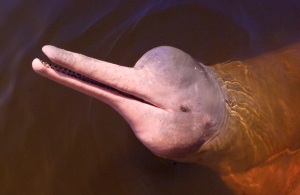
| Pink River Dolphin or Boto | Inia geoffrensis | It is a freshwater river dolphin endemic to the Orinoco and the Amazon Rivers. | Vulnerable |
| Grey River Dolphin | Sotalia fluviatilis | It is a fresh water dolphin found in the rivers of the Amazon Basin. | |
| North Amazon Red Squirrel | Sciurus igniventris | This species inhabits the lowland forests of the Amazon. | |
| South Amazon Red Squirrel | Sciurus spadiceus | Squirrel species from South America. It is found in Bolivia, Brazil, Colombia, Ecuador and Peru. | |
| Bolivian Squirrel | Sciurus ignitus | Tree squirrel species endemic to South America. It is found in Argentina, Bolivia, Brazil and Peru up to 2,600 metres (8,500 ft) in the Andes region. | |
| Paca | Agouti paca | Pacas primarily live in tropical rainforests but are also found in a wide variety of forest habitats, including mangrove swamps, deciduous and semi-deciduous forest, dense upland scrub, and narrow growth along river banks. | |
| Northern Viscacha | Lagidium peruanum | Their habitat are found in Chile and Peru, at elevations from 300 to 5000 m. | |
| Mountain paca | Agouti taczanowskii | Small burrow-dwelling rodent whose habitats are high altitude South American forests. | |
| Brown Agouti | Dasyprocta variegata | Rodent scavenger that lives on the ground of dense rain forests. This small-eared animal feeds on fruits, leaves, and roots. | |
| Kalinowski Agouti | Dasyprocta kalinowskii | Rodent in the Dasyproctidae family. It is endemic to Peru. It is threatened by habitat loss. | |
| Pacarana | Dinomys branickii | Rare and slow-moving nocturnal rodent found only in tropical forests of the western Amazon River basin and adjacent foothills of the Andes Mountains | Endangered |
| Capybara | Hydrochaeris hydrochaeris | Largest living rodent in the world. | |
| Southern Viscacha | Lagidium viscacia | Rodent in the Chinchillidae family. It is found in Argentina, Bolivia, Chile, and Peru. | |
| Northern Viscacha | Lagidium peruanum | Rodent in the family Chinchillidae.[2] It is known from Chile and Peru, at elevations from 300 to 5000 m, and may also be present in Bolivia | |
| Short-tailed Chinchilla | Chinchilla brevicaudata | Their original range included the Andes Mountains of Argentina, Chile, Peru, and Bolivia. The rodents were exploited for their luxurious fur, causing their numbers to dwindle greatly. | Critical |
| Amazon Bamboo-Rat | Dactylomys dactylinus | Rodent found in Bolivia, Brazil, Colombia, Ecuador and Peru. | |
| Yellow-crowned Brush Rat | Isothrix bistriata | They are nocturnal and arboreal animals found in lowland evergreen rainforest | |
| Bare-tailed Tree Rat | Makalata occasius | rodent in the Echimyidae family. It is found in Ecuador and Peru. | Critically endangered |
| Mountain tapir | Tapirus pinchaque | It is the smallest of the four species of tapir and is the only one to live outside of tropical rainforests in the wild. | Endangered |
| Lowland tapir | Tapirus terrestris | It is the second largest land mammal in South America, after Baird's Tapir. | |
| Collared Peccary | Tayassu tajacu | In South and Central America, the Collared Peccary inhabits tropical rainforests. | |
| White-lipped Peccary - | Tayassu pecari | They are distributed from southern Mexico south to Ecuador, and from the Entre Rios in Argentina to the Pacific coast of South America | |
| Vicuña - | Vicugna vicugna | It is one of two wild South American camelids, along with the guanaco, which live in the high alpine areas of the Andes. | |
| Guanaco - | Lama guanicoe | Camelid native to South America | |
| Marsh Deer | Blastocerus dichotomus | It is the largest South American deer, its habitat ranges from savanna patches along the southern margins of Amazonian Peru and Brazil south through northeastern Argentina. | Vulnerable |
| White-tailed Deer | Odocoileus virginianus | Medium-sized deer native to the United States (all but five of the states), Canada, Mexico, Central America, and in South America as far south as Peru | |
| Red Brocket Deer | Mazama americana | is a species of brocket deer from forests in South America | |
| Dwarf Brocket | Mazama chunyi | It is a species of even-toed ungulate in the Cervidae family. It is found in Bolivia and Peru. | |
| Red Dwarf Brocket | Mazama rufina | Small, little-studied deer native to the Andes of Colombia, Ecuador and northern Peru | |
| North Andean Deer - | Hippocamelus antisensis | the deer family. It comprises two endangered Andean species, commonly known as Huemul (from Mapudungun), and Taruca. | Declining |
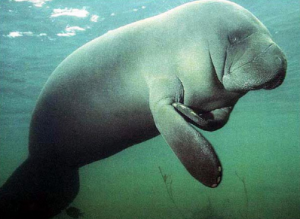
| Amazon Manatee | Trichechus inunguis | The Amazonian manatee ranges throughout the Amazon River Basin of northern South America. | Vulnerable |
Peruvian Reptiles
| Turtles | |
|---|---|
| Green Turtle | Chelonia mydas |
| Loggerhead Turtle | Caretta caretta |
| Hawksbill Turtle | Eretmochelys imbricata |
| Leatherback Turtle | Dermochelys coriacea |
| Olive Ridley Turtle | Lepidochelys olivacea |
| Amazon Matamata | Chelus fimbriatus |
| Twist-necked Turtle | Platemys platycephala |
| Lesser Toad-headed Turtle | Phrynops gibbus |
| Greater Toad-headed Turtle | Phrynops raniceps |
| Geoffroy's Side-necked Turtle | Phrynops geoffroanus |
| Red Toad-headed Turtle | Phrynops rufipes |
| Big-Headed River Turtle | Peltocephalus dumerilianus |
| Yellow-spotted Side-necked Turtle | Podocnemis unifilis |
| Giant Amazonian River Turtle | Podocnemis expansa |
| Six-tubercled River Turtle | Podocnemis sextuberculata |
| Scorpion | Kinosternon scorpiodes |
| White-lipped Mud Turtle | Kinosternon leucostomum |
| Yellow-footed Tortoise | Geochelone denticulata |
| Red-footed Tortoise | Geochelone carbonaria |
| Snakes | |
|---|---|
| Taylor's Peru blind snake | Anomalepis aspinosus |
| Amazonian Threadsnake | Leptotyphlops diaplocius |
| Peruvian Threadsnake | Leptotyphlops signatus |
| Black Blindsnake | Typhlops brongersmianus |
| White-Nosed Blindsnake | Typhlops minuisquamus |
| Giant Blindsnake | Typhlops reticulatus |
| Red Pipesnake | Anilius scytale |
| Boa Constrictor | Boa constrictor |
| Emerald Treeboa | Corallus caninus |
| Amazon Treeboa | Corallus hortulanus |
| Common Rainbow Boa | Epicrates cenchria |
| Green Anaconda | Eunectes murinus |
| Black-headed Calico Snake | Oxyrhopus melanogenys |
| Ring-Necked Earthsnake | Atractus collaris |
| Ornate Earthsnake | Atractus elaps |
| Blotched Earthsnake | Atractus flammigerus |
| Wedge-Tailed Earthsnake | Atractus latifrons |
| Giant Earthsnake | Atractus major |
| Spotted Earthsnake | Atractus microrhynchus |
| Black-Backed Earthsnake | Atractus poeppigi |
| Rusty Earthsnake | Atractus torquatus |
| Brown Keeled Racer | Chironius carinatus |
| Green Racer | Chironius exoletus |
| Olive Whipsnake | Chironius fuscus |
| Long-Tailed Whipsnake | Chironius multiventris |
| Rusty Whipsnake | Chironius scurrulus |
| Common Mussurana | Clelia clelia |
| Common Forest Racer | Dendrophidion dendrophis |
| Ornate Thirst Snake | Dipsas catesbyi |
| Big-Headed Thirst Snake | Dipsas indica indica |
| Ringed Thirst Snake | Dipsas pavonina |
| Amazon Egg-Eater | Drepanoides anomalus |
| Common Cribo | Drymarchon corais |
| Blotched Racer | Drymobius rhombifer |
| Common Glossy Racer | Drymoluber dichrous |
| Common False Coralsnake | Erythrolamprus aesculapii |
| Pink-Naped False Coralsnake | Erythrolamprus guentheri |
| South American Watersnake | Helicops angulatus |
| Spotted Watersnake | Helicops leopardinus |
| Olive Watersnake | Helicops pastazae |
| Black-Chinned Watersnake | Helicops polylepis |
| Coral Mudsnake | Hydrops martii |
| Common Mudsnake | Hydrops triangularis |
| Blunt-Headed Treesnake | Imantodes cenchoa |
| Blunt-headed Treesnake | Imantodes lentiferus |
| Common Cat-Eyed Snake | Leptodeira annulata |
| Black-Skinned | Leptophis ahaetulla |
| Brown Parrot Snake | Leptophis cupreus |
| Amazon Swampsnake | Liophis breviceps |
| South American Swampsnake | Liophis cobellus |
| White-Lipped Swampsnake | Liophis miliaris |
| Common Swampsnake | Liophis reginae |
| Velvety Swampsnake | Liophis typhlus |
| Tan Racer | Mastigodryas boddaertii |
| Brown Vinesnake | Oxybelis aeneus |
| Green Vinesnake | Oxybelis fulgidus |
| Yellow-Headed Calico Snake | Oxyrhopus formosus |
| Boulenger's False Coral Snake | Oxyrhopus marcapatae |
| Black-Headed Calico Snake | Oxyrhopus melanogenys |
| Western Calico Snake | Oxyrhopus occipitalis |
| Banded Calico Snake | Oxyrhopus petola digitalis |
| Green Palmsnake | Philodryas viridissimus |
| Amazon Scarletsnake | Pseudoboa coronata |
| Eel Snake | Pseudoeryx plicatilis |
| Common Birdsnake | Pseustes poecilonotus |
| Giant Birdsnake | Pseustes sulphureus |
| Amazon Ringed Snake | Rhinobothryum lentiginosum |
| Common Liana Snake | Siphlophis cervinus |
| Common Tiger Ratsnake | Spilotes pullatus |
| Common Black-Headed Snake | Tantilla m. melanocephala |
| Short-Nosed Groundsnake | Taeniophallus brevirostris |
| Spotted Groundsnake | Taeniophallus occipitalis |
| Common Mock Viper | Thamnodynastes pallidus |
| Ocellated Pampas Snake | Tomodon ocellatus |
| Red-Eyed Treesnake | Tripanurgos compressus |
| Pigmy Moss Snake | Umbrivaga pygmaea |
| Common False Viper | Xenodon rabdocephalus |
| Giant False Viper | Xenodon severus |
| Flat-Headed Snake | Xenopholis scalaris |
| Striped Sharpnose Snake | Xenoxybelis argenteus |
| Speckled Forest-Pitviper | Bothriopsis taeniata |
| South American Lancehead | Bothrops atrox |
| Velvety Lancehead | Bothrops brazili |
| Hognose Lancehead | Bothrops hyoprora |
| Amazon Bushmaster | Lachesis muta |
| Slender Coralsnake | Micrurus filiformis |
| Orange-Ringed Coralsnake | Micrurus hemprichii ortonii |
| Langsdorff's Coralsnake | Micrurus langsdorffi |
| South American Coralsnake | Micrurus lemniscatus helleri |
| Ornate Coralsnake | Micrurus ornatissimus |
| Peru Coral Snake | Micrurus peruvianus |
| Sooty Coralsnake | Micrurus putumayensis |
| Pigmy Black-Backed Coralsnake | Micrurus scutiventris |
| Amazonian Coralsnake | Micrurus spixii |
| Aquatic Coralsnake | Micrurus surinamenc |
| Crocodilians | |||
|---|---|---|---|
| American Crocodile | Crocodylus acutus | It is the most widespread of the species of crocodiles from the Americas. | |
| Black Caiman | Melanosuchus niger | Its habitat includes the Amazon basin and other freshwater habitats in South America. | Conservation Dependent |
| Spectacled (White) Caiman | Caiman crocodilus | They live in Central and South America and can tolerate salt water as well as fresh. | |
| Smooth-fronted Caiman | Paleosuchus trigonatus | Known as Schneider's Dwarf Caiman, they are small in comparison with other crocodilians and live in shallower forest streams | |
| Dwarf Caiman | Paleosuchus palpebrosus | Known as Cuvier's Dwarf caiman, this species is more tolerant of |
| Snakes | |
|---|---|
| Taylor's Peru blind snake | Anomalepis aspinosus |
| Amazonian Threadsnake | Leptotyphlops diaplocius |
| Peruvian Threadsnake | Leptotyphlops signatus |
| Black Blindsnake | Typhlops brongersmianus |
| White-Nosed Blindsnake | Typhlops minuisquamus |
| Giant Blindsnake | Typhlops reticulatus |
| Red Pipesnake | Anilius scytale |
| Boa Constrictor | Boa constrictor |
| Emerald Treeboa | Corallus caninus |
| Amazon Treeboa | Corallus hortulanus |
| Common Rainbow Boa | Epicrates cenchria |
| Green Anaconda | Eunectes murinus |
| Black-headed Calico Snake | Oxyrhopus melanogenys |
| Ring-Necked Earthsnake | Atractus collaris |
| Ornate Earthsnake | Atractus elaps |
| Blotched Earthsnake | Atractus flammigerus |
| Wedge-Tailed Earthsnake | Atractus latifrons |
| Giant Earthsnake | Atractus major |
| Spotted Earthsnake | Atractus microrhynchus |
| Black-Backed Earthsnake | Atractus poeppigi |
| Rusty Earthsnake | Atractus torquatus |
| Brown Keeled Racer | Chironius carinatus |
| Green Racer | Chironius exoletus |
| Olive Whipsnake | Chironius fuscus |
| Long-Tailed Whipsnake | Chironius multiventris |
| Rusty Whipsnake | Chironius scurrulus |
| Common Mussurana | Clelia clelia |
| Common Forest Racer | Dendrophidion dendrophis |
| Ornate Thirst Snake | Dipsas catesbyi |
| Big-Headed Thirst Snake | Dipsas indica indica |
| Ringed Thirst Snake | Dipsas pavonina |
| Amazon Egg-Eater | Drepanoides anomalus |
| Common Cribo | Drymarchon corais |
| Blotched Racer | Drymobius rhombifer |
| Common Glossy Racer | Drymoluber dichrous |
| Common False Coralsnake | Erythrolamprus aesculapii |
| Pink-Naped False Coralsnake | Erythrolamprus guentheri |
| South American Watersnake | Helicops angulatus |
| Spotted Watersnake | Helicops leopardinus |
| Olive Watersnake | Helicops pastazae |
| Black-Chinned Watersnake | Helicops polylepis |
| Coral Mudsnake | Hydrops martii |
| Common Mudsnake | Hydrops triangularis |
| Blunt-Headed Treesnake | Imantodes cenchoa |
| Blunt-headed Treesnake | Imantodes lentiferus |
| Common Cat-Eyed Snake | Leptodeira annulata |
| Black-Skinned | Leptophis ahaetulla |
| Brown Parrot Snake | Leptophis cupreus |
| Amazon Swampsnake | Liophis breviceps |
| South American Swampsnake | Liophis cobellus |
| White-Lipped Swampsnake | Liophis miliaris |
| Common Swampsnake | Liophis reginae |
| Velvety Swampsnake | Liophis typhlus |
| Tan Racer | Mastigodryas boddaertii |
| Brown Vinesnake | Oxybelis aeneus |
| Green Vinesnake | Oxybelis fulgidus |
| Yellow-Headed Calico Snake | Oxyrhopus formosus |
| Boulenger's False Coral Snake | Oxyrhopus marcapatae |
| Black-Headed Calico Snake | Oxyrhopus melanogenys |
| Western Calico Snake | Oxyrhopus occipitalis |
| Banded Calico Snake | Oxyrhopus petola digitalis |
| Green Palmsnake | Philodryas viridissimus |
| Amazon Scarletsnake | Pseudoboa coronata |
| Eel Snake | Pseudoeryx plicatilis |
| Common Birdsnake | Pseustes poecilonotus |
| Giant Birdsnake | Pseustes sulphureus |
| Amazon Ringed Snake | Rhinobothryum lentiginosum |
| Common Liana Snake | Siphlophis cervinus |
| Common Tiger Ratsnake | Spilotes pullatus |
| Common Black-Headed Snake | Tantilla m. melanocephala |
| Short-Nosed Groundsnake | Taeniophallus brevirostris |
| Spotted Groundsnake | Taeniophallus occipitalis |
| Common Mock Viper | Thamnodynastes pallidus |
| Ocellated Pampas Snake | Tomodon ocellatus |
| Red-Eyed Treesnake | Tripanurgos compressus |
| Pigmy Moss Snake | Umbrivaga pygmaea |
| Common False Viper | Xenodon rabdocephalus |
| Giant False Viper | Xenodon severus |
| Flat-Headed Snake | Xenopholis scalaris |
| Striped Sharpnose Snake | Xenoxybelis argenteus |
| Speckled Forest-Pitviper | Bothriopsis taeniata |
| South American Lancehead | Bothrops atrox |
| Velvety Lancehead | Bothrops brazili |
| Hognose Lancehead | Bothrops hyoprora |
| Amazon Bushmaster | Lachesis muta |
| Slender Coralsnake | Micrurus filiformis |
| Orange-Ringed Coralsnake | Micrurus hemprichii ortonii |
| Langsdorff's Coralsnake | Micrurus langsdorffi |
| South American Coralsnake | Micrurus lemniscatus helleri |
| Ornate Coralsnake | Micrurus ornatissimus |
| Peru Coral Snake | Micrurus peruvianus |
| Sooty Coralsnake | Micrurus putumayensis |
| Pigmy Black-Backed Coralsnake | Micrurus scutiventris |
| Amazonian Coralsnake | Micrurus spixii |
| Aquatic Coralsnake | Micrurus surinamen |
Aquatic Biodiversity in Peru
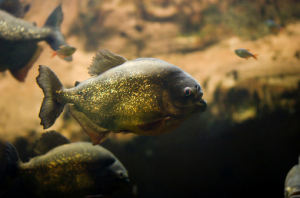
There is much aquatic biodiversity in Peru due to the Amazon river running through it. A few examples of this diversity includes the extremely threatened pink dolphin, the giant river otter, the amazonian manatee, and over 1,500 different species of fish. Many of these species are threatened by human activity such as poaching and tourism in the Amazon.